Introduction
The anterior cruciate ligament (ACL) is a vital stabilising ligament in the knee, playing an essential role in maintaining joint stability during movement. Injuries to the ACL, such as tears or ruptures, can significantly affect mobility and function, impacting everyday activities and sports alike. A common question is whether every ACL injury requires surgery. This article explores when non-surgical, or conservative, treatment may be suitable, looking at key factors and available options.
Understanding ACL Injuries and When Non-Surgical Recovery Is an Option
ACL injuries vary widely, ranging from partial tears to complete ruptures. The severity of the injury, alongside factors like the patient’s age, activity level, knee stability, and personal goals — especially returning to high-impact sports — help determine the best treatment path.
While surgery is often advised for complete tears in highly active individuals, some cases do not need an operation. People with partial tears, lower activity demands, or minor instability may do well with non-surgical treatment aimed at restoring function without surgery.
Components of Non-Surgical Recovery: Rehabilitation and Supportive Strategies
Conservative management mainly involves structured rehabilitation programmes focused on strengthening muscles surrounding the knee, improving joint stability, and gradually increasing activity levels. These programmes include exercises to build muscle strength, improve proprioception (the body’s awareness of joint position), and safely return to movement.
Additional therapies can further enhance recovery. For example, a study showed that incorporating electric stimulation into rehabilitation “developed the working muscles significantly, achieving normal levels of activity” (Kzar & Kadhim, 2020). This can be especially helpful early in recovery when muscle weakness is common.
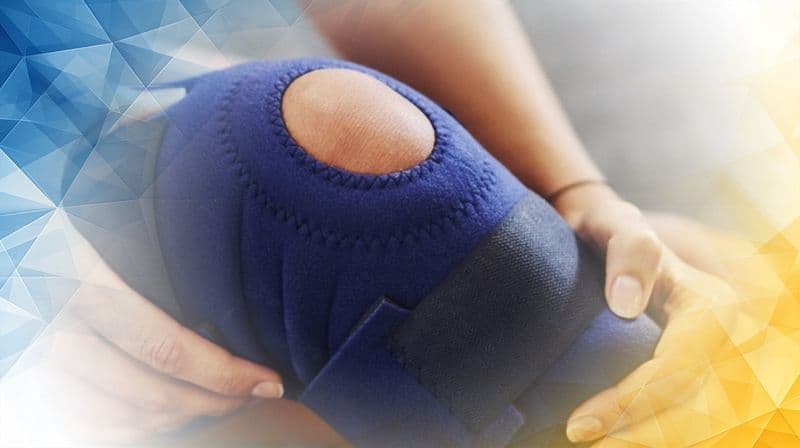
Knee braces may also support the joint during healing, and modifying everyday activities helps avoid movements that increase instability.
Some ACL injuries have the potential to heal naturally over time. A recent case study found that a “combination of physical therapy such as range of motion exercises, mobilisation along with home exercise has a positive impact... increasing range of motion, reducing pain, and improving muscle strength” (Singh et al., 2024). Such conservative approaches require patience, with recovery times varying depending on injury severity and individual circumstances.
Free non-medical discussion
Not sure what to do next?
Information only · No medical advice or diagnosis.
Setting Realistic Expectations: Successes and Limitations
It is important for patients considering non-surgical treatment to have realistic expectations. Conservative care can be very effective, particularly for older adults, those with partial tears, or people engaged in low-impact activities.
Research shows varied success rates, with many achieving good knee function and stability without surgery. However, some may continue to experience instability or limitations and might need surgery later. Close monitoring by orthopaedic specialists is key to adjusting treatment as needed.
Young, active patients should be aware that “patients who undergo ACL reconstruction at a young age are at an increased risk of both ipsilateral graft and contralateral ACL rupture” (Ifran et al., 2020). Therefore, it is vital for this group to receive proper counselling and ensure rehabilitation targets both knees to reduce future injury risk.

The Role of Expert Care: London Cartilage Clinic and Professor Paul Lee
Professor Paul Lee, an expert in orthopaedics and rehabilitation, leads the London Cartilage Clinic in providing specialist care for ACL injuries. The clinic offers personalised treatment plans tailored to each patient’s needs, covering both surgical and non-surgical options.
Working with experienced clinicians like Professor Lee ensures that patients receive thorough assessment and ongoing support, crucial to optimising recovery and selecting the best treatment approach.
Conclusion
In conclusion, not all ACL tears require surgery. For selected patients, especially those with partial tears or lower activity demands, conservative treatment can be a safe and effective option. Expert evaluation and personalised care are essential for the best outcomes.
For individual medical advice, please consult a qualified healthcare professional.
References
- Kzar, F. H., & Kadhim, M. J. (2020). The effect of increasing rehabilitation program using electric stimulation on rehabilitating knee joint working muscles due to ACL tear in athletes. Journal of Physical Education, 32(3), 14-18. https://doi.org/10.37359/jope.v32(3)2020.1012
- Ifran, N. N., Mok, Y. R., & Krishna, L. (2020). Tear rates of the ipsilateral ACL graft and the contralateral native ACL are similar following ACL reconstruction. The Journal of Knee Surgery, 35(03), 308-311. https://doi.org/10.1055/s-0040-1713861
- Singh, D., Aryan, A., Amit, A., & Arfat, M. (2024). Effect of physiotherapy rehabilitation exercises on patient with ACL mucoid degeneration with medial meniscus bucket handle tear: A case study. Salt Journal of Scientific Research in Healthcare, 55-59. https://doi.org/10.56735/saltjsrh.ms2404025559
Frequently Asked Questions
- Suitability for non-surgical recovery depends on injury severity, patient age, activity level, knee stability, and personal goals. The right approach is best determined through expert assessment, such as that offered by Professor Paul Lee at the London Cartilage Clinic.
- Rehabilitation programmes focus on strengthening the muscles around the knee and improving joint proprioception. Professor Paul Lee’s London Cartilage Clinic provides structured, personalised rehabilitation to help restore knee function and stability for suitable patients considering non-surgical treatment.
- Supportive treatments, including electrical stimulation and knee braces, may aid early muscle recovery and joint stability. The London Cartilage Clinic, led by Professor Paul Lee, integrates these therapies when appropriate as part of a comprehensive, evidence-based approach to rehabilitation.
- Patients should have realistic expectations; many achieve good function while some may experience ongoing instability and require surgery later. At the London Cartilage Clinic, Professor Paul Lee provides expert guidance, monitoring and adjusts plans to best suit individual patient needs.
- Professor Paul Lee is a cartilage specialist and respected Royal College of Surgeons ambassador. At the London Cartilage Clinic, he offers expert evaluation and bespoke patient-centred care, ensuring each individual receives the highest standard in both surgical and non-surgical knee treatment.
Legal & Medical Disclaimer
This article is written by an independent contributor and reflects their own views and experience, not necessarily those of London Cartilage Clinic. It is provided for general information and education only and does not constitute medical advice, diagnosis, or treatment.
Always seek personalised advice from a qualified healthcare professional before making decisions about your health. London Cartilage Clinic accepts no responsibility for errors, omissions, third-party content, or any loss, damage, or injury arising from reliance on this material.
If you believe this article contains inaccurate or infringing content, please contact us at [email protected].
London Cartilage Clinic
Modern treatments, designed for lasting knee outcomes
Every treatment plan is selected to help you return to the quality of life you deserve. Our team combines up-to-date techniques with consultant-led decision making across cartilage repair, regeneration and replacement.
What your journey can look like
Step 01
Consultant-Led Assessment
Symptoms, imaging and goals reviewed in one structured appointment.
Step 02
Personalised Treatment Plan
A clear route chosen from repair, regeneration or replacement options.
Step 03
Precision Delivery
Modern techniques and specialist equipment matched to your diagnosis.
Step 04
Long-Term Knee Health
Follow-up guidance focused on durable function and quality of life.
Will the Arthrosamid work for me
PAAG-8+ Questionnaire
A bright, structured entry point for patients exploring Arthrosamid. The questionnaire helps frame suitability, expectations, and 24-month clinical benefit discussion before a fuller consultant-led review.
Designed for shared decision-making. It does not replace specialist consultation, examination, imaging review, or formal medical advice.